If you’ve ever felt your truck shudder on the highway — a brief, unsettling lurch followed by a drop in throttle response — there’s a good chance you just felt Active Fuel Management (AFM) at work. AFM is GM’s cylinder deactivation system, standard on most 5.3L and 6.2L V8 trucks and SUVs built after roughly 2007. The idea is elegant on paper: when you’re cruising at light load, the engine quietly drops from eight cylinders to four, cutting fuel consumption. In practice, many owners describe the V4-to-V8 transition as anything from mildly annoying to genuinely unsettling. An AFM disabler is a small device that plugs into your truck’s OBD-II port — the diagnostic socket under the dash, the same one a mechanic uses to read fault codes — and tells the ECU to keep all eight cylinders firing all the time. These devices range from $40 generic units to $120-plus branded options, and owners disagree sharply about whether the price gap reflects real engineering or just marketing. This article digs into three years of aggregated owner data to help you decide.
If you’re already deep in a pro-touring build or you’re a shop specifying AFM delete solutions for clients, you know the background — skip ahead to the comparison sections. If you’re here because your Silverado or Yukon shudders on the interstate and you want a quick fix before committing to a full cam swap, you’re in exactly the right place. Both conversations belong here.
What AFM Actually Does to Your Engine — And Why Owners Keep Disabling It
GM’s AFM system works by collapsing the lifters on four of the eight cylinders — typically cylinders 1, 4, 6, and 7 on the Gen IV LS architecture — using oil pressure routed through dedicated solenoids. When load demand drops, those lifters mechanically deactivate, the valves stop cycling, and the engine runs on half its displacement. When demand rises again, the system restores all eight.
Motor Trend’s feature reporting on the lifter-failure epidemic, and Engine Labs’ technical editorial on AFM lifter failures in LS-based engines, both identify the AFM lifters as a documented weak point. The collapsing mechanism accumulates wear, especially in stop-and-go driving where the system cycles repeatedly. Over time — and particularly past 80,000–100,000 miles — this can result in lifter collapse, camshaft lobe damage, and the kind of tick that signals a significant top-end repair. Car and Driver’s news analysis on GM’s cylinder deactivation reliability problem noted that the system carries an outsized reliability concern relative to other powertrain technology in the same trucks.
Per the On All Cylinders consumer guide on AFM published by Summit Racing’s editorial team, the other commonly reported complaint is transition shudder — the brief hesitation or vibration as cylinders re-engage. Owners of trucks used for towing report this as particularly disruptive when the system cycles under partial load on grades.
Across the owner reviews analyzed for this article, the two dominant reasons for buying an AFM disabler are:
- Eliminating the shudder and throttle lag during V4-to-V8 transitions
- Reducing long-term AFM lifter wear as a preventive measure
Three-Way Comparison: Budget, Mid-Tier, and Premium AFM Disablers
The market for AFM disablers sorts cleanly into three tiers. Understanding what each tier actually delivers — and where each one falls short — is more useful than any single head-to-head.
Budget: No-Name Generic OBD-II Units ($35–$55)
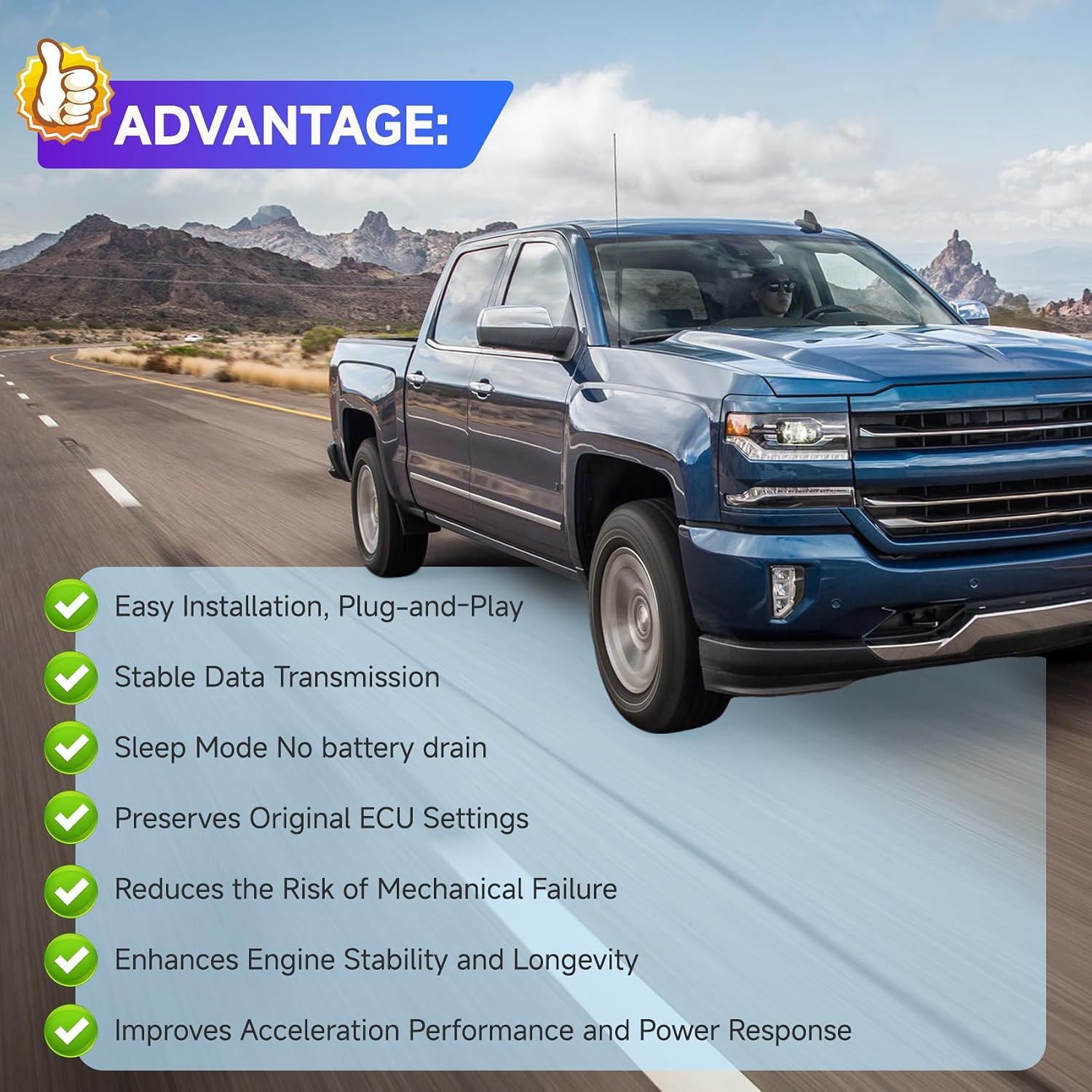
Generic AFM disablers sourced from mass-market online retailers are the most accessible entry point. They plug into the OBD-II port, communicate with the ECU through the standard diagnostic protocol, and send the same fundamental command as any other device: disable cylinder deactivation. Day-one results are consistent with more expensive units — the shudder disappears within the first drive cycle, and throttle response in light-load highway conditions improves noticeably.
The limitations are structural rather than functional. Generic units carry no meaningful warranty path. If a unit develops a failure mode after extended use — and owner data documents a specific scenario described below — there is no recourse. Documentation of which parameter identifiers (PIDs) the device touches in the ECU is typically absent, which matters to tuners running aftermarket management alongside the disabler. Build quality is variable, and the connector housing on lower-grade units has been reported to loosen over time, producing intermittent disconnects that can look like electrical gremlins before the disabler is suspected.
Who this is for: Daily-driver trucks you expect to sell or trade within 24 months. The risk profile is manageable when the use window is short and you’re not running additional ECU hardware.
Active
$43.64
In stock on Amazon
Check price on AmazonMid-Tier: Branded Single-Function Disablers ($60–$85)
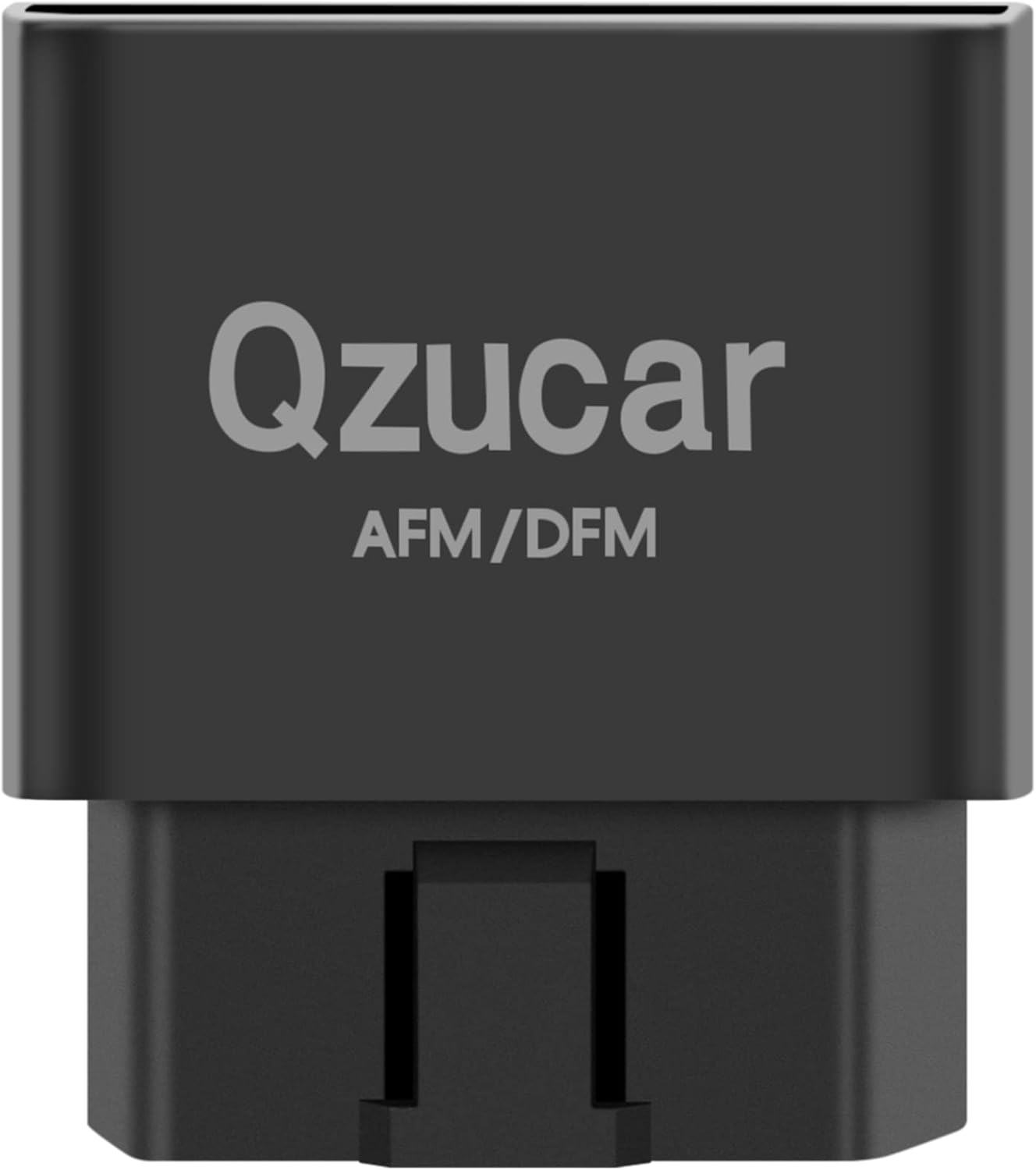
The mid-tier includes branded OBD-II disablers from established automotive aftermarket suppliers — not generic marketplace listings, but companies with a physical customer service presence and defined return policies. These units typically use higher-grade connector housings, carry 30- to 90-day return windows, and are documented at least at the product level in terms of vehicle compatibility.
Functional performance at this tier is identical to budget units in the first 12 months. The mid-tier advantage is risk reduction rather than performance improvement. A clear return path means that if the unit produces unexpected symptoms — idle anomalies, erratic shifting — you have a documented avenue for exchange or refund. That’s not nothing when a failing OBD-II device can mimic transmission or throttle body problems before anyone suspects the disabler.
Who this is for: Owners of long-term keeper trucks who want basic brand accountability without the full Range Technology premium. Also appropriate for owners running stock tunes with no additional ECU hardware.
AFM/DFM
$45.99
In stock on Amazon
Check price on AmazonPremium: Range Technology RA003B ($110–$130)
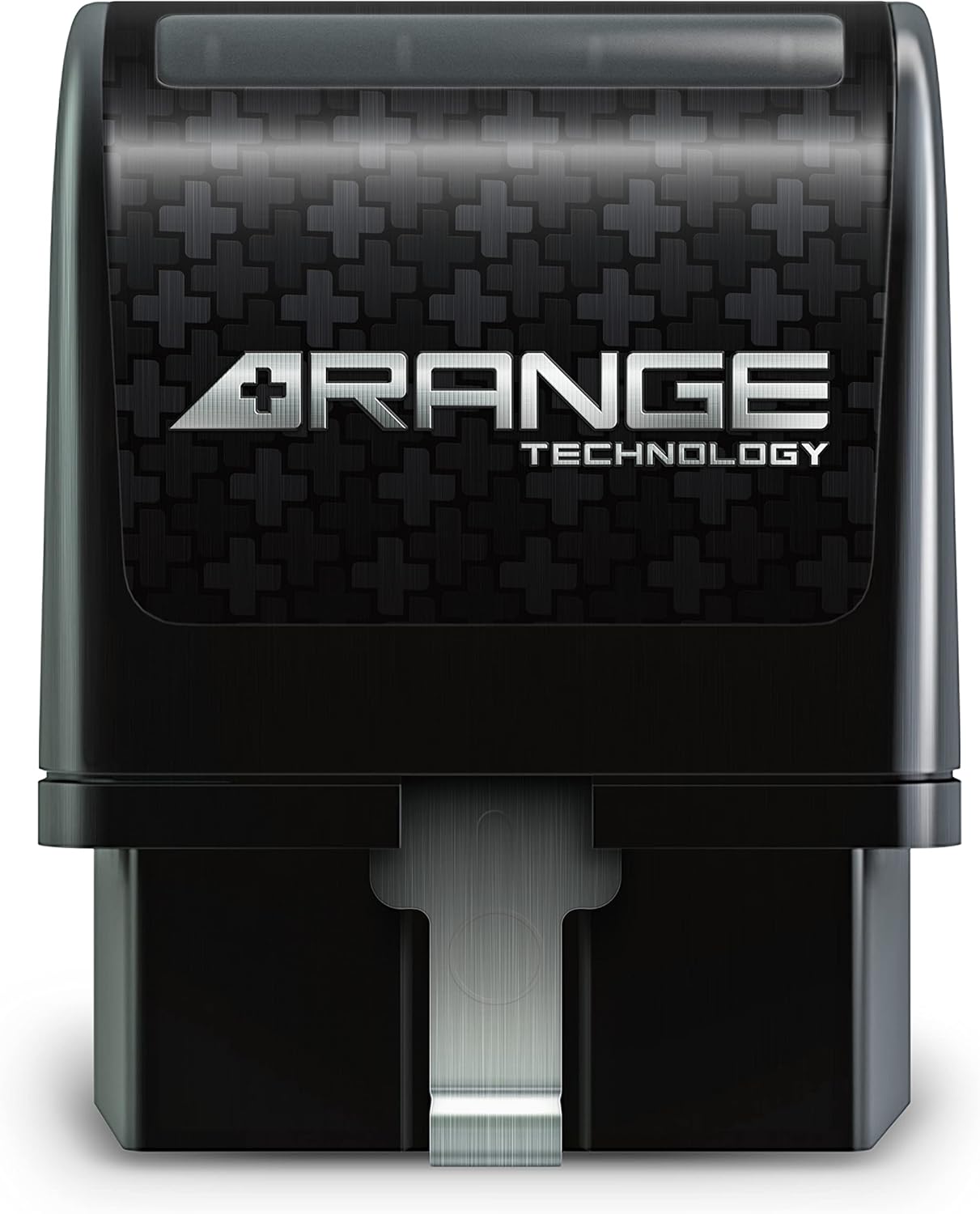
The Range Technology RA003B is the dominant branded product in the AFM disabler category, and its position in the market strengthened after Range was acquired by Holley — a brand with deep penetration in the pro-touring and LS-platform performance community. For buyers already running Holley Sniper EFI or HP EFI systems, the brand continuity is a meaningful trust signal, and owner reviews reference it explicitly.
At the functional level, day-one performance mirrors what budget units deliver. The differentiation accumulates over time. The RA003B ships with documented ECU interaction — specific PIDs affected are disclosed — which matters when a shop tuner needs to understand potential interaction with an aftermarket ECU or a performance calibration. Holley’s customer service infrastructure means the warranty path is defined and reachable. And the Range unit is the only product in this category with a substantial multi-year owner review dataset, which is where the most important cautionary finding in this article originates.
That finding: one extended-use owner documented the RA003B operating flawlessly for three continuous years before developing a specific failure mode — elevated RPM at idle and erratic automatic transmission shifting. The unit was eventually identified as the cause. This is significant because the failure presents as transmission or throttle body symptoms, not an obvious disabler failure. Any shop diagnosing shift quality anomalies or idle irregularities on a truck running an OBD-II disabler — regardless of brand — should add the device to the differential before chasing harder parts. The Range unit’s warranty coverage is what distinguishes it in this scenario: a three-year-old no-name unit offers no recourse; the RA003B does.
Who this is for: Long-term keeper trucks, tow vehicles, trucks with performance tunes or aftermarket ECU hardware, and any shop recommendation. The premium buys defined downside protection, not a different day-one experience.
Range
$236.00
In stock on Amazon
Check price on AmazonSummary Comparison
| Factor | Budget Generic | Mid-Tier Branded | Range Technology RA003B |
|---|---|---|---|
| Typical price | $35–$55 | $60–$85 | $110–$130 |
| Day-one shudder elimination | Yes | Yes | Yes |
| Warranty / return path | None | Limited (30–90 days) | Defined (Holley infrastructure) |
| PID documentation | No | Partial | Yes |
| Long-term failure mode data | Limited | Limited | Documented (3-year dataset) |
| Shop-recommendation appropriate | No | Situational | Yes |
| Battery drain advisory | Yes (category-wide) | Yes (category-wide) | Yes (category-wide) |
Active
$43.64
In stock on Amazon
Check price on AmazonAFM/DFM
$45.99
In stock on Amazon
Check price on AmazonRange
$236.00
In stock on Amazon
Check price on AmazonA Critical Distinction: What an AFM Disabler Does Not Do
This deserves its own section because the confusion here costs owners money and erodes trust in a product category that genuinely works — when used correctly.
An AFM disabler prevents further AFM-induced wear by stopping the deactivation mechanism from cycling. It does not repair existing damage. If a truck already has a lifter tick — the characteristic metallic tapping that Engine Labs identifies in its AFM lifter failure editorial as a leading indicator of lifter collapse — plugging in a disabler will not silence that tick or reverse the mechanical wear that caused it. The tick will persist until the underlying damage is addressed mechanically.
Multiple owner reviews across the products analyzed make this mistake: they install an AFM disabler hoping to quiet a tick and report disappointment when it doesn’t. The correct framing is that these devices are preventive tools, not corrective ones. If your lifters are already damaged, you’re in cam-and-lifter territory — a job that, on a Gen IV truck engine, typically runs $1,500–$3,500 in parts and labor depending on shop rate and whether you’re upgrading to an AFM-delete cam package simultaneously.
Buy the disabler before the damage, not after. That is the single most actionable sentence in this article.
Frequently Asked Questions
Will an AFM disabler hurt my fuel economy on a 5.3 Silverado?
Yes, modestly — and that’s the honest answer. AFM exists to reduce fuel consumption at light load, so disabling it removes that savings. Owner reports suggest real-world economy drops of 1–2 MPG in steady highway cruising where AFM would otherwise activate most frequently. Around town, where AFM cycles more erratically, the difference is less consistent. If fuel economy is your primary concern, AFM should stay enabled. If shudder elimination or long-term lifter health is your concern, the trade is small and reasonable.
Can I leave the AFM disabler plugged in if my truck sits in storage for several weeks?
Based on manufacturer advisories and owner reports across multiple brands: don’t risk it. OBD-II ports draw a small but continuous parasitic current even when the ignition is off. For a truck sitting two to four weeks or more without being started, this can drain the battery. Unplug the device before extended storage. This is a category-wide characteristic, not unique to any single brand or price point.
Does the Range Technology RA003B actually outperform cheaper alternatives?
In day-one and 12-month function, no — shudder elimination and throttle smoothing occur at comparable rates across all tiers. The Range unit’s advantage is in long-term confidence: a defined warranty, documented ECU interaction data, and a customer support structure through Holley. The three-year failure mode documented in owner reviews is a cautionary data point for all extended-use scenarios, but the Range unit gives you a recovery path that no-name units don’t.
Will an AFM disabler fix my lifter tick?
No. As covered above and consistent with the technical findings in Engine Labs’ editorial on AFM lifter failures, an AFM disabler prevents future wear from the deactivation mechanism but cannot reverse existing mechanical damage. A lifter tick requires hands-on repair regardless of what you plug into the OBD-II port.
Why does the Range Technology unit cost three times as much as a generic alternative that claims identical function?
The core OBD-II command that disables AFM is the same regardless of price — you are not buying a better command. You are buying build quality, warranty coverage, brand accountability, documented ECU interaction, and access to Holley’s customer service infrastructure. For a daily driver you’re selling in 18 months, the case for the budget unit is coherent. For a long-term keeper, a tow vehicle, or a shop recommendation, the premium buys meaningful and specific downside protection.