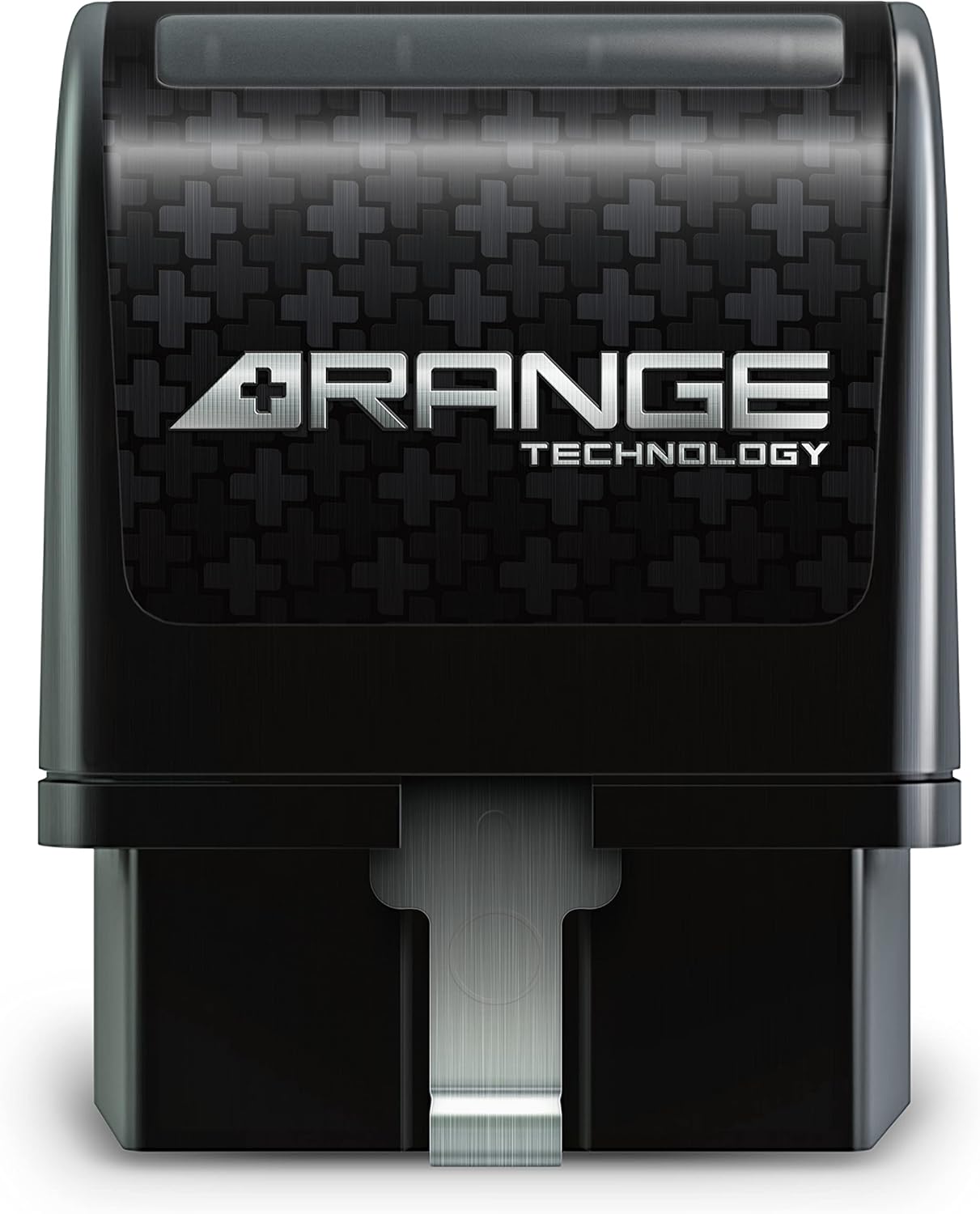
If you own a GM truck, SUV, or performance car built between roughly 2007 and 2024 with a V8, you’ve probably heard about Active Fuel Management — GM’s term for a system that shuts down four of the engine’s eight cylinders at light throttle to save fuel. On paper it sounds clever. In practice, a lot of owners notice an annoying shudder or vibration when the engine drops into that four-cylinder mode, and the system is linked to a well-documented pattern of premature lifter failures in higher-mileage engines. An AFM disabler is a small plug-in device — typically the size of a USB drive — that connects to your OBD-II port (the diagnostic socket under your dashboard) and tells the engine’s computer to keep all eight cylinders firing all the time, without flashing or reprogramming anything. It’s a reversible, no-tune-required fix that’s been popular since the early 2010s. What this article does is dig into three to four years of accumulated owner-report data to answer the questions that matter most right now: Does it actually work long-term? Will it drain your battery? And is the $120 unit meaningfully better than the $30 clone?
The Core Promise — and Where It Mostly Delivers
The headline outcome owners consistently report is simple and compelling: the four-cylinder shudder disappears immediately, throttle response tightens up, and the transmission — which was hunting between shift points trying to complement AFM operation — settles into cleaner, more predictable behavior. Reviews aggregated across multiple platforms over a three-to-four year window show a strong consensus on this point. As Engine Labs’ overview of AFM delete strategies notes, keeping all eight cylinders online removes the logic trigger that caused the ECM (Engine Control Module — your truck’s main computer) to command awkward downshifts in the first place.
What owners also consistently report: fuel economy takes a modest hit — typically in the 1–3 MPG range under mixed driving. That’s an honest and expected tradeoff. If you’re buying a disabler to eliminate shudder, you’re consciously trading some efficiency for drivability. That math is straightforward for most owners.
The more nuanced outcome is lifter protection. Popular Mechanics’ coverage of GM AFM lifter failures makes clear that the disabler prevents the AFM-specific oil pressure cycling that stresses those components, but it doesn’t heal damage that’s already started. If your engine already has a tick at cold startup or under load, the disabler may slow further degradation — it won’t reverse it. More on this in the FAQ section.
Battery Drain: The Real-World Problem Nobody Advertises Upfront
Here is where the ownership data gets more complicated, and where you need to pay attention before buying.
A meaningful subset of long-term owners — across multiple brands of disabler — report noticeable battery drain when the vehicle sits unused for more than three to five days. This isn’t a fringe complaint. At least one manufacturer explicitly instructs buyers in their product documentation to unplug the unit if the vehicle won’t be driven daily. That’s a notable caveat for a plug-and-play device that many buyers assume is fully passive when the key is off.
The technical explanation is consistent with how OBD-II parasitic draw works: some disabler units maintain a low-power active state on the OBD-II bus even with the ignition off, either to hold programming in volatile memory or to monitor for a re-enable condition. The OBD-II port itself carries battery voltage at all times — that’s by design — so any device plugged into it that draws more than a few milliamps continuously will eventually flatten a battery.
By the numbers — what owners report:
| Sit Duration | Reported Drain Risk | Typical Owner Response |
|---|---|---|
| 1–3 days | Low — minimal reports | Leave unit plugged in |
| 4–7 days | Moderate — recurring reports | Manufacturer recommends unplugging |
| 7+ days (storage) | High — multiple confirmed dead batteries | Unplug; use battery maintainer |
The Range RA003B — currently the market reference for premium disablers, partly because Holley acquired the Range Technology brand — is frequently cited in owner discussions as having better standby behavior than budget alternatives. Multiple owners specifically point to the Holley ownership as a reason they trust the product’s engineering, though published specifications comparing standby draw across devices are not independently available. The honest framing: the premium unit appears better in owner-reported experience, but no published teardown or bench-draw measurement from an authoritative source has confirmed the hardware is fundamentally different from budget units.
If your truck sits for more than a week regularly — seasonal storage, a second vehicle, a work truck that weekends — build the habit of unplugging. It takes five seconds and eliminates the problem entirely.
The Failure Mode That Deserves Its Own Analysis
Among the years of owner-report data, one account stands out as a warning worth examining carefully: a detailed report of a no-name RA003-type unit functioning flawlessly for three full years before suddenly producing high idle in park and erratic, hunting shift behavior — exactly the kind of symptoms that look like an ECM fault or transmission problem rather than a $30 OBD-II dongle.
This failure mode is worth unpacking because it’s insidious. A device that fails immediately is easy to diagnose — you unplug it and the problem goes away, case closed. A device that works correctly for three years before corrupting a signal or sending malformed data to the ECM can easily send an owner down an expensive diagnostic rabbit hole. The owner in this case eventually isolated the issue by unplugging the unit, at which point symptoms resolved.
The implications for buyers:
- Document your baseline. Before plugging in any disabler, note your idle RPM range, shift behavior, and any existing codes. This gives you a clean before/after reference.
- Include the disabler in your diagnostic checklist. Any time you’re chasing an idle or transmission complaint, unplug the OBD-II device before pulling codes or scheduling a dealer visit.
- No-name units carry more long-term risk. A device with no established support channel, no firmware update path, and no accountable manufacturer is a liability after year two. The three-year failure timeline in that owner report suggests the risk isn’t hypothetical.
Hot Rod Magazine’s reporting on AFM-related reliability issues reinforces the broader point: the ECM is sensitive to signal quality from devices on the OBD-II bus. A degraded or intermittently misbehaving unit can produce symptoms that look nothing like the original problem.
Pricing Disparity: Is the $120 Unit Worth It?
At least one reviewer in the aggregated data explicitly called out the pricing gap between premium units and near-identical-looking budget alternatives. It’s a fair question. Here’s how to think about it:
The case for the budget unit: If you’re driving the truck daily, plan to upgrade to a full AFM delete (camshaft, lifters, valley plate) within 12–18 months, and you’re not concerned about long-term firmware stability, a $25–$45 clone does the core job. The immediate four-cylinder disable works.
The case for the Range RA003B: The Holley acquisition matters. Not because Holley magically improved the hardware overnight, but because it creates an accountable support structure, a track record of product stewardship, and a brand that has downstream reputational skin in the game. Owners cite this repeatedly as a purchasing rationale — and that kind of institutional accountability is worth something on a device you’ll leave plugged into your ECM for years. The three-year failure case involved a no-name unit; that’s not a coincidence to dismiss.
The practitioner decision rule: If your truck is a daily driver you plan to keep for three-plus years and you’re not planning a full AFM delete, the Range RA003B is the defensible choice. If you’re treating the disabler as a bridge tool while you source parts for a proper delete, the budget unit gets the job done.
Frequently Asked Questions
Will an AFM disabler drain my battery if the truck sits for a week? Based on aggregated owner reports, yes — this is a real and recurring issue. Multiple owners across brands report dead or weakened batteries after sits of five to seven days or more. At least one manufacturer explicitly advises unplugging the unit for extended non-use. Treat this as a firm rule: unplug before any storage period longer than a few days.
What happens if I leave the disabler plugged in and the battery dies — do I need to reprogram anything? The disabler itself typically doesn’t require reprogramming after a battery reset — most units reload their configuration automatically on the next key cycle. However, your ECM may need a fuel trim and idle relearn after a complete battery disconnect. This is a normal part of battery replacement on any modern GM vehicle and isn’t specific to the disabler.
Can an AFM disabler fix existing lifter tick or does it only prevent further damage? As OnAllCylinders’ coverage of AFM disabler function makes clear, the device prevents the oil pressure cycling that stresses AFM lifters — it doesn’t repair components already in decline. An existing tick at cold start or under load indicates wear that’s already present. The disabler may slow progression, but if you’re hearing consistent valvetrain noise, a proper AFM delete with replacement lifters is the appropriate fix.
How do I know if my disabler has failed vs. my ECM needing a relearn? Unplug the disabler first. Always. If symptoms — high idle, erratic shifting, hunting RPM — resolve with the unit unplugged, the disabler is the culprit. If symptoms persist after unplugging and a key cycle, proceed to ECM diagnostics. The three-year failure case described above is the exact template: eliminate the simplest variable before chasing expensive solutions.
Is the Range RA003B actually made differently than the budget alternatives, or is it the same hardware? No published teardown from an authoritative source confirms meaningful internal hardware differences. Owner-reported behavior suggests better standby power management in the RA003B, but the more defensible distinction is organizational: Holley’s ownership of Range Technology creates accountability and support infrastructure that no-name manufacturers simply don’t have.
What are the symptoms that my AFM disabler is causing problems rather than solving them? Watch for: high idle in park that wasn’t present before installation, erratic or hunting shift points, new check-engine codes related to fuel trim or torque management, and any transmission behavior that suddenly changes after months of normal operation. If any of these appear after a long period of normal use — especially in budget units — unplug the device immediately and evaluate from there.
The Bottom Line
The AFM disabler category has three to four years of meaningful owner data to draw from now, and the picture is nuanced but actionable. The core function — eliminating four-cylinder mode and the shudder that comes with it — works reliably across brands. The battery drain issue is real and underdiscussed in marketing materials, but it’s manageable with a simple unplug habit. The long-term failure mode documented in at least one detailed owner report is a legitimate reason to choose an accountable brand over a no-name clone, particularly if you’re not planning a full delete in the near term.
If X, then Y:
- If you’re daily-driving and keeping the truck long-term → Range RA003B is the defensible, accountable choice.
- If you’re bridging to a full AFM delete within a year → budget unit works; just unplug it when it sits.
- If your truck already has lifter tick → a disabler alone isn’t enough; start planning a proper delete.
- If you’re troubleshooting any new idle or shift complaint → unplug the OBD-II device before doing anything else.
The disabler is a tool, not a cure. Used correctly, with the right expectations and the right unit for your situation, it buys real drivability and potentially real engine longevity. Just don’t leave it plugged in when the truck sits in the garage for two weeks.